
Health Insurance in California for Individuals, Families and Business Owners
You have more options than you think. California runs its own exchange, Covered California, with 2027 Open Enrollment from November 1, 2026 to January 31, 2027. Creative Health Solutions compares Covered California, off-exchange, small business and life plans with self-employed people and business owners by phone or Zoom. There's no cost to talk to us.

You have more options than you think
Most people in California think Covered California is the only place to shop. It's the state's official exchange, and a sound starting point if you may qualify for financial help. It isn't the only door.
Self-employed people and business owners also have off-exchange individual plans, and, if you have employees, group coverage. Because enhanced federal tax credits expired after 2025, the 400% federal poverty level savings cap applies for 2027 too. Go without qualifying coverage, and California can add a tax penalty.
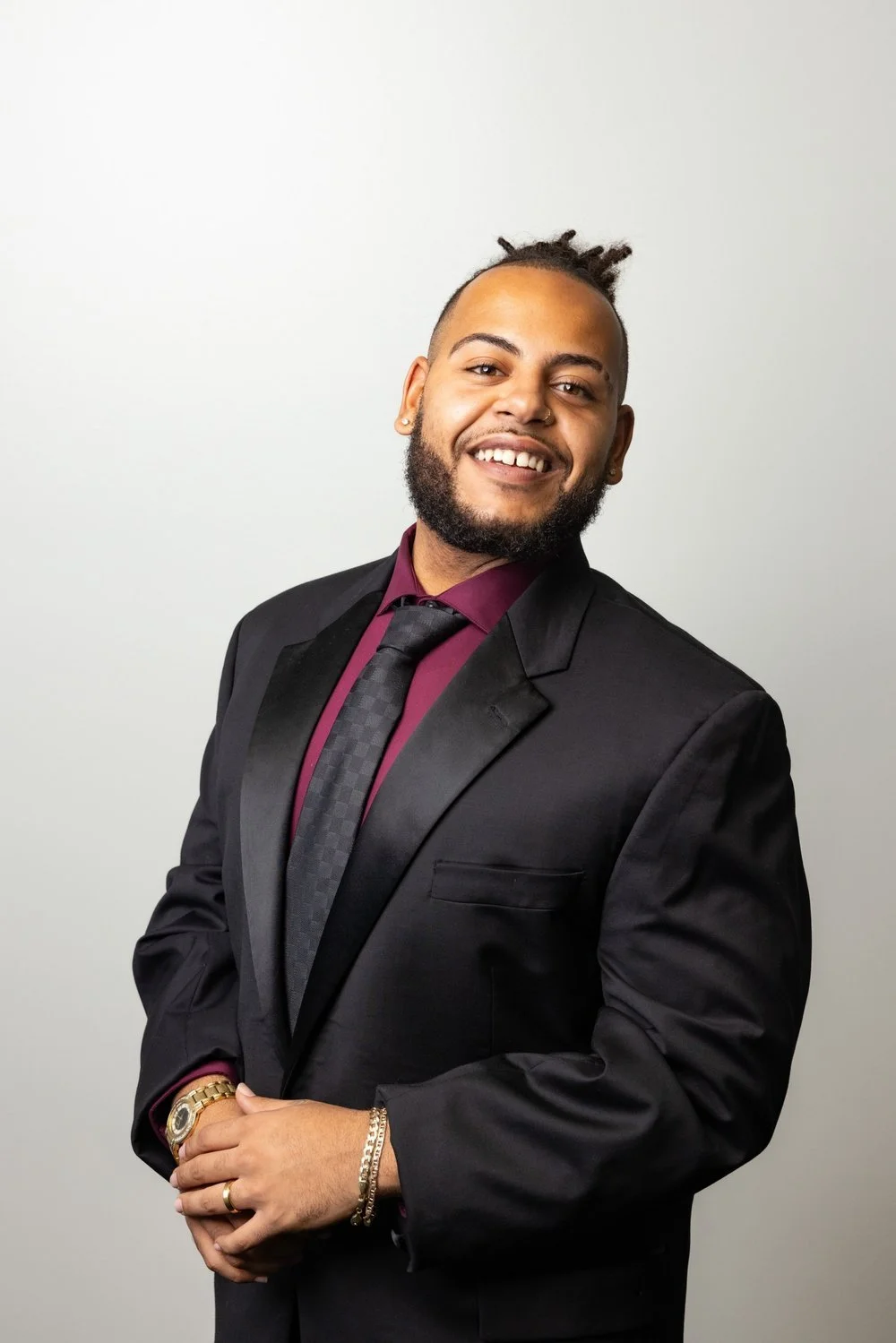
Covered California has more than 1.7 million people enrolled (Covered California, October 30, 2026). Darius Mills and our team put the doors that may fit you side by side.

How Covered California works for 2027
Covered California is California's own ACA Marketplace, at coveredca.com. It is not HealthCare.gov. A premium tax credit (savings that lower your monthly premium) depends on income.
2027 deadlines and savings rules
- Open Enrollment: November 1, 2026 to January 31, 2027. Enroll by December 31, 2026 for coverage starting January 1, 2027. Applications in January generally start February 1.
- Federal savings: 2027 credits use the 2026 federal poverty level (FPL), an income yardstick: $15,960 for one person, $33,000 for a family of four. Credits generally stop above 400% of FPL: $63,840 for one person, $132,000 for a family of four.
- California's 2027 state subsidy: California allocated $300 million in extra premium help for eligible households up to 200% of FPL: $31,920 for one person, $66,000 for a family of four. Help isn't guaranteed, and results vary.
- Immigration status: from January 1, 2027, federal premium tax credits go only to citizens, nationals and certain noncitizens, such as green card holders. Many other lawfully present immigrants can still buy a plan without the federal credit, and some may qualify for a 2027 hardship exemption from the state penalty.
Eligible adults at or below 138% of FPL may qualify for Medi-Cal instead, depending on immigration and program rules (and asset limits apply for seniors 65+ and disability-based programs). We can point you there.
Does California still have a health insurance penalty in 2027?
Yes. California requires qualifying coverage, or an exemption, each month. If you don't have it, you generally owe a penalty on your California tax return: under current Franchise Tax Board figures, at least $950 per adult and $475 per dependent child (subject to annual inflation adjustments), or 2.5% of household income above the filing threshold, whichever is higher. The Franchise Tax Board explains exemptions at ftb.ca.gov.
Off-exchange plans, and why short-term coverage isn't sold in California
Off-exchange plans come straight from an insurer, outside Covered California, so they don't include premium tax credits. In California, individual off-exchange plans sold during Open Enrollment or a Special Enrollment Period are guaranteed issue: the insurer can't use a health questionnaire, turn you down, or leave out pre-existing conditions. You still have to enroll during those windows.
California also bans short-term limited-duration health insurance lasting less than 12 months. If you're between jobs or outside Open Enrollment, we look at a qualifying life event, COBRA or Cal-COBRA (for many California employers with 2 to 19 employees), Medi-Cal, or an employer plan. We don't sell short-term policies in California.
Coverage for your family
The lowest monthly bill isn't always the point. Compare the yearly total (premium, deductible and out-of-pocket maximum), not just the monthly price. Read how individual and family plans work. Children ages 0 through 18 (under 19) may qualify for coverage through Medi-Cal, generally up to 266% of FPL; in San Francisco, San Mateo and Santa Clara counties, local programs extend higher.
Health insurance for self-employed Californians
When you work for yourself, nobody's handing you benefits. Nobody's setting it up for you. Nobody's checking your income math.
A sole proprietor or owner with no W-2 employees generally cannot buy a standard small-group plan in California. Covered California for Small Business and California's small-group rules usually require at least one non-owner W-2 employee. If you work for yourself with no employees, you typically compare Covered California or off-exchange individual plans.
On Covered California, report net income, meaning profit, not gross sales, and update it when things change. Guess too low, and you may pay credits back at tax time.
Tax questions go to a tax professional.
Small business group plans for 1 to 100+ employees in California
Under California law, a small employer for group health plans generally has 1 to 100 employees. Covered California for Small Business serves that range when there's at least one non-owner W-2 employee. Bigger teams get help too; Darius confirms headcount on a call. Traditional small-group plans can start in any month, though approval and rates aren't guaranteed.
We can help with any of these if it's the right option for your team: a MEWA (multiple employer welfare arrangement), where qualifying varies; a traditional group plan, through Covered California for Small Business or off-exchange; a level-funded plan, where availability varies; a PEO (professional employer organization), where qualifying varies; or an ICHRA, a set monthly amount toward each employee's own individual plan (for W-2 employees, not 1099 contractors). Association plans may also come up; qualifying varies. California has strict licensing, look-through and stop-loss rules on MEWAs, association plans, PEOs and level-funded arrangements, so we check which options are eligible for your business. See how we help small businesses.

Life insurance, added to your health review
Term life covers a set number of years, often matched to the mortgage or the kids' years at home. Final expense is a smaller permanent policy for funeral costs; some wait a few years before the full benefit pays. Owners can add group life. Indexed universal life (IUL) is permanent coverage, not an investment. Most policies ask health questions, and some need an exam. The insurer makes the final decision. More on our life insurance page.
How we work with California clients
Request a quote, we compare your options, we apply together.
- Request a quote through our form, or book a call by phone or Zoom video.
- We compare your options.
- We apply together.
Creative Health Solutions is based in Melbourne, Florida, and works with California clients by phone or Zoom video, with no in-person meetings. Darius Mills founded the agency in October 2022. We're licensed in all 50 states, and the team has over 10 years of combined experience comparing over 200 plans. We've helped over 450 clients save an average of $350 a month. Results vary. Savings are not guaranteed.
Talk with Darius, Fred, Matthew, Chris or Alex Guerrero. Need help in Spanish? Alex Guerrero on our team speaks Spanish. Turning 65 in California? We can help you compare Medicare options by phone or Zoom at no cost. See Darius's story, meet the team and all the areas we serve.
Call (321) 872-4940, Monday to Friday, 9 AM to 5 PM ET (6 AM to 2 PM Pacific); after that, by appointment only. No cost to talk, no broker fees. Contact us or see more health insurance questions. Shopping for someone in another state? Here's our Indiana page.
California health insurance FAQ
Does California use HealthCare.gov or Covered California?
California runs its own exchange, Covered California, instead of HealthCare.gov. More than 1.7 million Californians are enrolled there. It isn't the only route. You can also compare off-exchange individual plans and, for business owners, group plans. We compare them with you at no cost.
When is Open Enrollment in California for 2027?
Covered California Open Enrollment runs November 1, 2026 through January 31, 2027. Pick a plan by December 31 for coverage starting January 1, or enroll in January for a February 1 start. Later in the year, a qualifying life event can open a 60-day Special Enrollment Period.
Is there a penalty for not having health insurance in California in 2027?
Yes. California's individual mandate requires qualifying coverage each month unless you meet an exemption. On your California tax return, under current Franchise Tax Board figures, the penalty is generally at least $950 per adult and $475 per dependent child (subject to annual inflation adjustments), or 2.5% of household income above the filing threshold, whichever is higher.
Who qualifies for Covered California financial help in 2027?
Federal premium tax credits for 2027 generally apply to eligible households between 100% and 400% of the federal poverty level: $15,960 to $63,840 for one person, or $33,000 to $132,000 for a family of four. California also funds extra 2027 state subsidies for eligible households up to 200% of the federal poverty level.
Are short-term health insurance plans available in California?
No. California prohibits short-term limited-duration health insurance policies lasting under 12 months. If you are between jobs or you missed Open Enrollment, we can help you check Special Enrollment eligibility, COBRA or Cal-COBRA continuation coverage, Medi-Cal, or employer group options.
Can a self-employed person with no employees buy small-group health insurance in California?
Generally no. Covered California for Small Business and California small-group rules require at least one non-owner W-2 employee. If you work for yourself with no employees, you typically compare Covered California plans, using estimated net profit, or off-exchange individual plans. Tax questions go to a tax professional.
What counts as a small business for group health insurance in California?
Under California law, a small employer generally has 1 to 100 full-time-equivalent employees. Counting rules vary, so Darius confirms your headcount on a call. Larger businesses get help too: we compare group options for teams of 1 to 100+ employees, with no broker fees.
Can I get help in Spanish with California health insurance?
Yes. Creative Health Solutions offers Spanish-speaking help through Alex Guerrero on our team. We compare plans with you by phone or Zoom, with no cost to talk and no broker fees. Call (321) 872-4940 or fill out the quote form, and we'll find a time that works for you.
Do you have an office in California, and does using a broker cost extra?
No. Creative Health Solutions is based in Melbourne, Florida, and works with California clients by phone or Zoom video, with no in-person meetings. We're licensed in all 50 states. There's no cost to talk to us and no broker fees when we compare Covered California, off-exchange or group plans.

See your California options
Want to see your California options before January 31? Fill out the quote form to request the most up-to-date options for your situation. After January 31, a qualifying life event can open a Special Enrollment Period.
 Creative Health Solutions